Patty
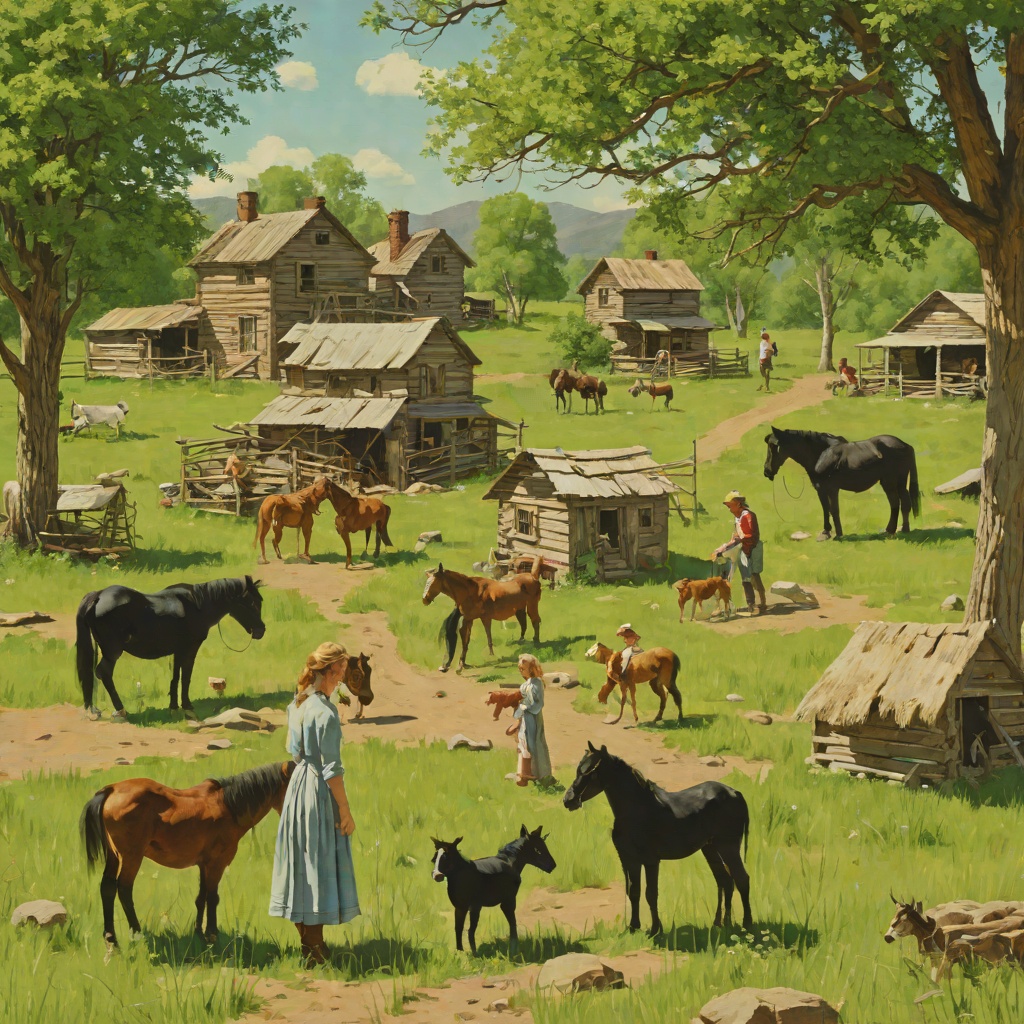
Little House on the PrairiePatty is one of the two small young black horses that become the Ingalls family's most vital possessions on their journey west. She is acquired when Pa sells the tired brown horses that had pulled the wagon from Wisconsin, trading them for two young black horses with soft gentle eyes and long tails. Pa describes them as "western horses," noting that they are "very strong but very gentle." When Laura asks what their names are, Pa tells her and Mary that they can choose the names themselves, and so the two girls call one "Pet" and the other "Patty." From that moment, Patty is inseparable from the family's fortunes, carrying them across the endless flat land of Kansas and into the Indian country where they will build their new home.
Identity and Introduction
Patty enters the story as part of a trade that marks the family's transition from the familiar East to the unknown West. The tired brown horses that had labored across Wisconsin, Minnesota, Iowa, and Missouri are sold, and in their place come Pet and Patty, animals that Pa insists are suited to the western country. The naming of the horses is a significant moment, as Pa gives Laura and Mary the authority to choose, making the animals a shared family possession rather than merely Pa's tools. Patty, with her soft gentle eyes and long tail, is immediately distinguished from the exhausted horses she replaces, and her youth and strength signal the family's hope for the new land ahead. When the family reaches the creek that must be crossed, it is Pet and Patty who stop to drink, their presence marking the moment of decision as Pa and Ma agree that they can cross the high water.
Life and Role on the Prairie
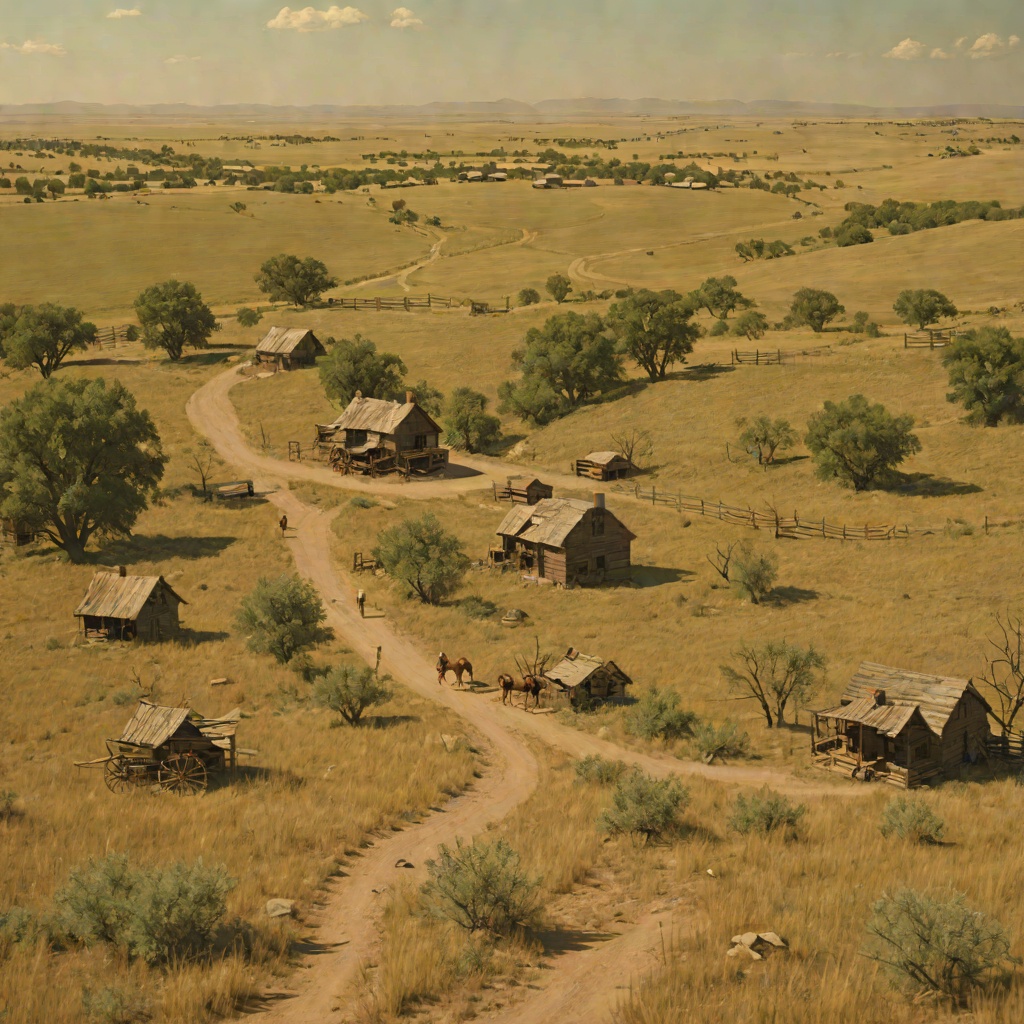
Once the family settles on the High Prairie, Patty's role expands beyond mere transport. She and Pet are housed in the stable that Pa and Mr Edwards build in a single day, a structure that becomes a symbol of the family's commitment to their new home. The stable is built partly in response to the threat of wolves, with Pa declaring that once the roof is on, the wolves can howl all they want. Patty's presence in the stable is central to the family's sense of security, and it is there that Laura discovers a surprise: a little colt with long ears standing beside Pet. The colt's arrival transforms the stable into a place of new life, and when Laura runs toward it, gentle Pet puts back her ears and shows her teeth, forcing Pa to shout a warning that she could bite. Patty, meanwhile, continues to serve as Pa's mount for his expeditions across the prairie, carrying him to see what he can see and to visit the new settlers who are building houses along the creek.
The Wolf Encounter
Patty's most harrowing moment comes during Pa's ride home across the prairie, when a pack of fifty wolves surrounds them. Pa has ridden Patty out that afternoon without his gun, believing there is plenty of meat in the house, and the decision nearly proves disastrous. As Pa later tells the family, the wolves come out of nowhere and are all around them in a moment, led by a wolf that Pa describes as a meter tall. Patty tries to run, but Pa pulls the reins hard and makes her walk, knowing that wolves will chase and hurt a running horse. The pack walks along with them "like a pack of dogs going along with a horse," jumping and playing with each other, and Pa admits that Patty is trembling all over, so scared that he is scared too. The encounter reveals the deep bond between Pa and Patty, as he forces her to trust his judgment over her own terror, and it ends only when the leader turns down toward the creek and the rest of the pack follows. Pa's fear throughout the ride home is not for himself but for Pet and her colt, who are outside the house and vulnerable to the wolves.
Work and Daily Life
Patty's daily life on the prairie is one of constant labor. She and Pet pull the wagon down the new road that Pa's wagon wheels have begun to make, carrying Laura and Mary on the high seat beside Pa as they ride through dry valleys and over low, round hills to gather rocks for the fireplace. The horses are also essential to the family's farming efforts, pulling the plough through the fields as Pa works the land. This work is interrupted dramatically one day when Pet and Patty come running from the field pulling the plough behind them, with Pa running after them, shouting "Prairie fire!" The horses' instinct to flee the approaching danger forces the family into action, and Pa's urgent commands to fill the tub with water and put sacks in it set off a frantic effort to save the house. Patty's role in this moment is passive but crucial: her flight is the alarm that alerts the family to the danger, and her presence in the field ties her directly to the threat of the fire that could destroy everything they have built.
Departure and Significance
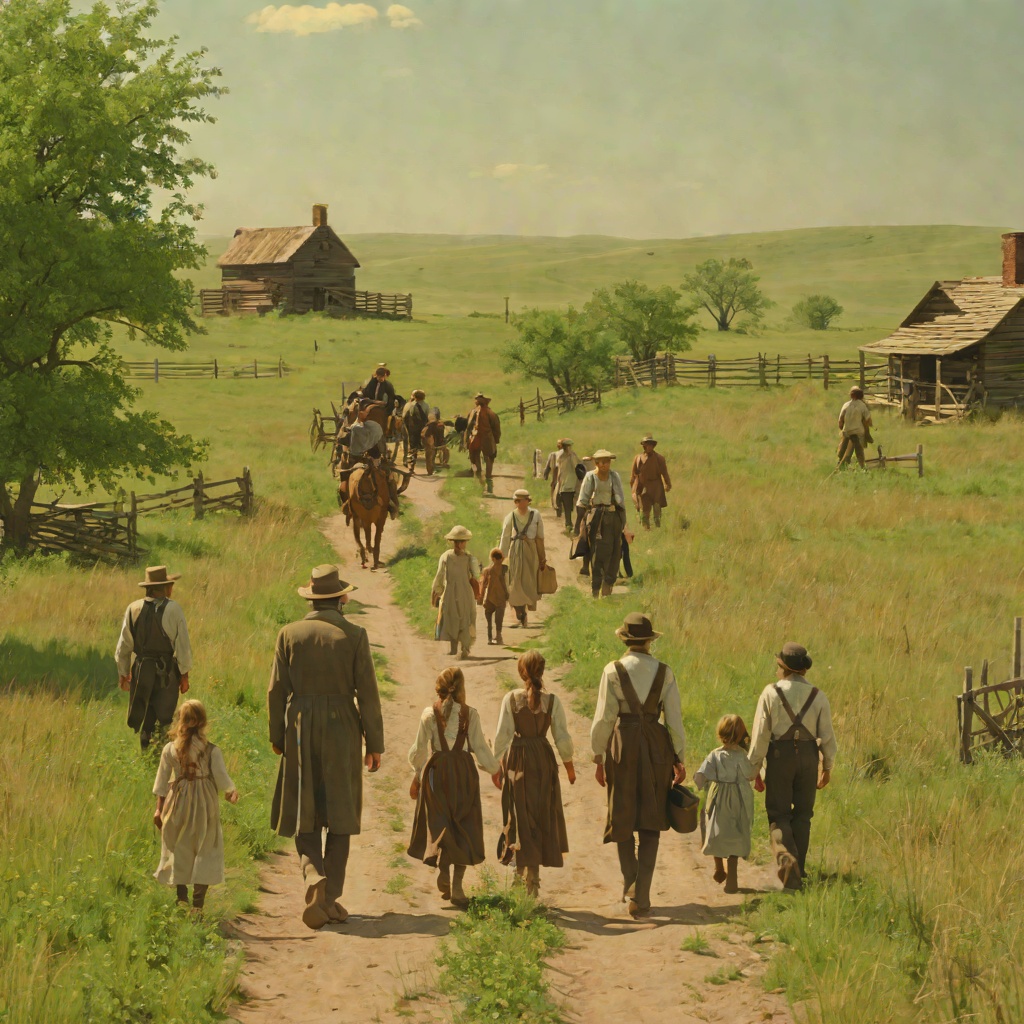
Patty's final appearance in the story comes as the family prepares to leave Indian Territory. The U.S. government has ordered the removal of white settlers from the land, and Pa and Ma pack the wagon, leaving behind the plough as the only thing they cannot take. Laura and Mary climb into the wagon and sit on the bed in the back, with Baby Carrie between them, and Ma climbs to her place on the seat. Pa climbs to his place beside Ma and takes the reins in his hands, and Jack goes under the wagon. Then Pet and Patty walk away from the little house on the prairie, carrying the family away from the home they had built with such care. As far as they can see, to the east and to the south and to the west, nothing is moving except the green grass waving in the wind. Pa's final words to Ma, that it is a great country but there will be wild Indians and wolves here for many years, echo the dangers that Patty has helped the family survive. Patty's journey from a traded horse to a beloved family member to a departing companion mirrors the family's own arc, and her steady presence throughout the story makes her one of the most constant and reliable figures in the narrative, a silent witness to the family's triumphs and losses on the prairie.